
The Psychological Framework of Perception
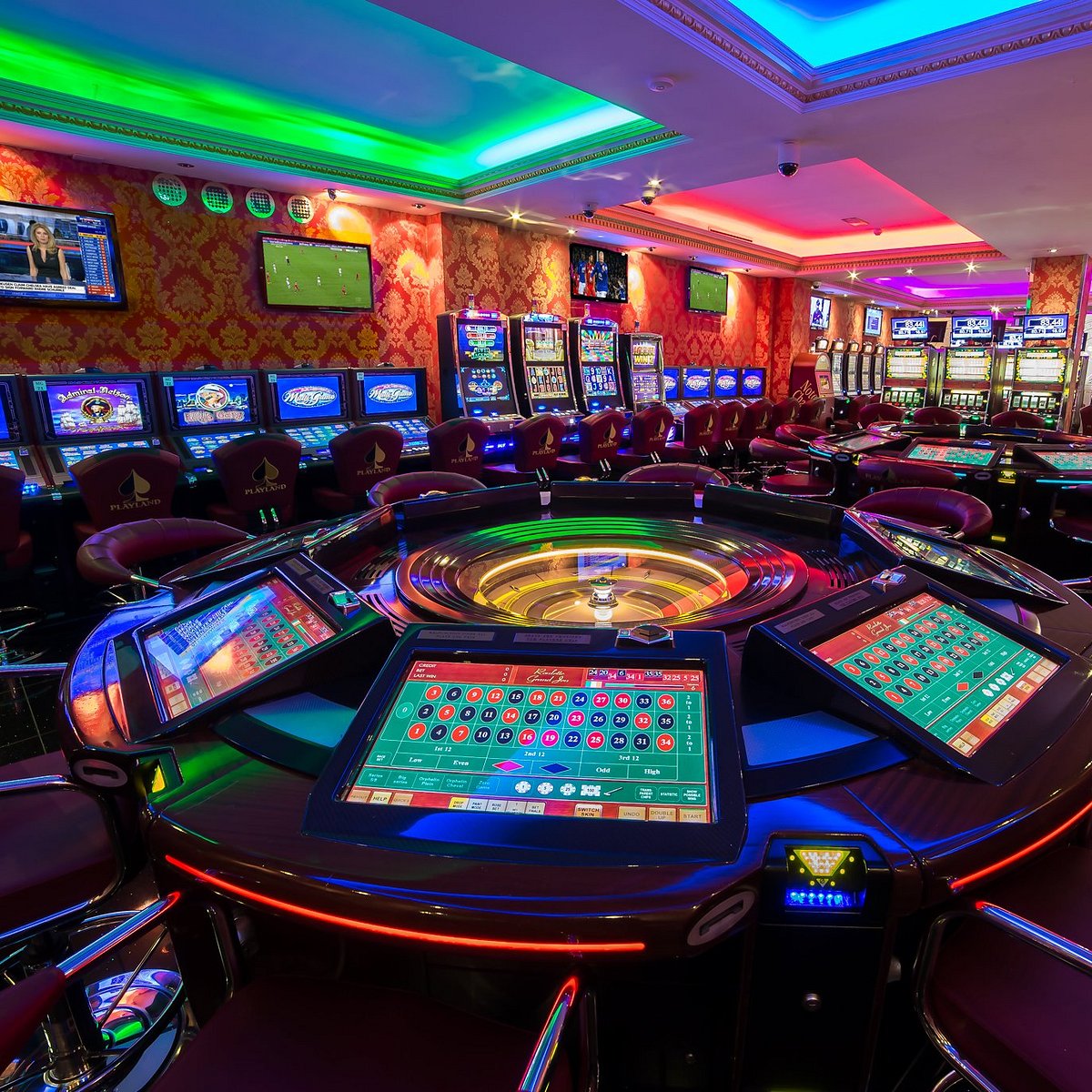
The way individuals perceive luck is deeply influenced by psychological factors that casinos expertly manipulate. The ambiance of a casino, filled with sounds, lights, and the thrill of winning, cultivates a specific mindset. Interestingly, visiting new canadian casinos can shape different perceptions of luck. This environment can amplify feelings of optimism and confidence, which in turn alters a person’s perception of their own luck. The more positive experiences someone has in a casino, the more likely they are to attribute their wins to their personal luck rather than to the randomness of the games.
Moreover, cognitive biases like the “gambler’s fallacy” play a significant role in how players interpret their odds. People often believe that past outcomes affect future events in games of chance, even though each turn in a slot machine or roll of the dice is independent. Casinos take advantage of these misconceptions, creating a perception where players feel they are “due” for a win, thus enhancing their enthusiasm and engagement.
The Role of Game Design
Casino game design is more than just aesthetics; it’s carefully crafted to influence player behavior and perception. Slot machines, for instance, are equipped with bright colors, engaging sounds, and attractive themes that keep players entertained and invested. This sensory stimulation not only enhances the gaming experience but also enhances the perception of luck. When players are surrounded by excitement, they are more likely to feel that good fortune is just around the corner.
Additionally, the concept of near-misses is a critical element in game design. When a player almost wins, for instance, seeing two matching symbols on a slot machine reel and one missing, it creates a sense of hope and excitement. This not only leads players to believe they are closer to winning but also reinforces the idea that luck might favor them in the next attempt, thus augmenting their perception of their own luck.
Promotions and Their Psychological Impact
Promotions and bonuses offered by casinos are designed to further influence players’ perceptions of luck. Free spins and matching bonuses create the impression of increased chances to win, enticing players to gamble more. These promotional strategies feed into the belief that luck is not just a random occurrence but a tangible entity that can be enhanced through participation.
Furthermore, the intermittent reinforcement of rewards—winning occasionally but not every time—keeps players engaged and hopeful. This cycle of anticipation and reward shapes how players perceive their odds and strengthens the illusion of control over their luck. It’s this psychological interplay between promotions and player expectation that keeps them coming back for more, despite the inherent risks of gambling.
The Impact of Social Interaction
Social dynamics inside a casino play a crucial role in shaping how individuals perceive luck. Engaging with other players can amplify feelings of camaraderie and shared experiences. When surrounded by others celebrating wins, players may feel a heightened sense of their own luck. The social aspect of gambling creates a collective atmosphere that can lead individuals to believe that luck is a communal force, enhancing the overall experience.
Moreover, stories of big wins shared among players further fuel the perception of luck. These narratives become part of the casino’s culture, fostering a belief that luck is attainable. As individuals hear about others’ successes, they may develop a stronger belief that they, too, can experience similar fortunes. The narrative of luck becomes intertwined with social validation, making it a powerful driver of behavior within the casino environment.
The Importance of Responsible Gambling Resources
In navigating the complex interplay between perception and luck in casinos, it is vital for players to have access to responsible gambling resources. Understanding the psychological influence of gaming environments allows individuals to make more informed decisions about their gambling habits. Resources are available for those seeking to maintain healthy gambling practices, emphasizing the importance of recognizing the fine line between entertainment and risk.
Moreover, seeking assistance and support when needed reinforces the understanding that luck is not something one should rely upon. By focusing on the thrill of the experience rather than the outcome, players can cultivate a healthier relationship with gambling. Ultimately, informed choices lead to more sustainable enjoyment of casino games while acknowledging the influence of perception on luck.